Restoration is one of the few service lines where a salon can charge for skilled labour rather than volume, and where the deciding question is always the same: is restoring this unit better value for the client than replacing it?
1. What Is Genuinely Restorable
Shedding concentrated along a front hairline, thinning at the parting, a lifted lace edge or a stretched cap can usually be addressed. Hair that has lost length through breakage, been over-lightened, or has a base that has torn across the crown is a replacement conversation, not a repair.
2. Re-Fronting vs Re-Ventilating
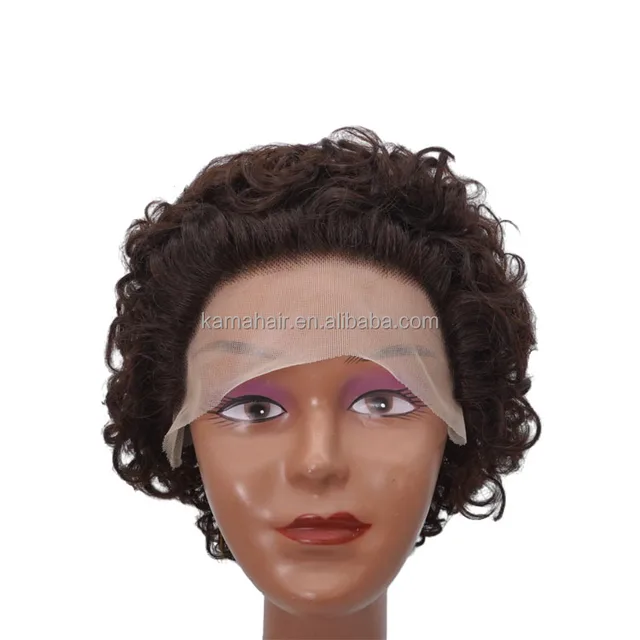
Re-fronting replaces the compromised frontal band and preserves the lengths — the highest-value restoration for a client who loves the wave pattern. Re-ventilating adds hair back into a thinning area. Both are labour-hour products: quote them by hours and materials, with a written note on what cannot be guaranteed after the service.
3. Price Against Replacement, Transparently
Present the restoration quote next to the delivered price of an equivalent new unit so the client can decide with real numbers in front of them. When the restoration cost approaches a replacement, say so — clients who feel steered into a repair that fails will not come back for the next unit.
4. Ship the Unit Back With Documentation
Return the restored unit with a short service report: what was replaced, hair added, work hours and the care routine to follow for the first weeks. That report is also the evidence base for any warranty question later.