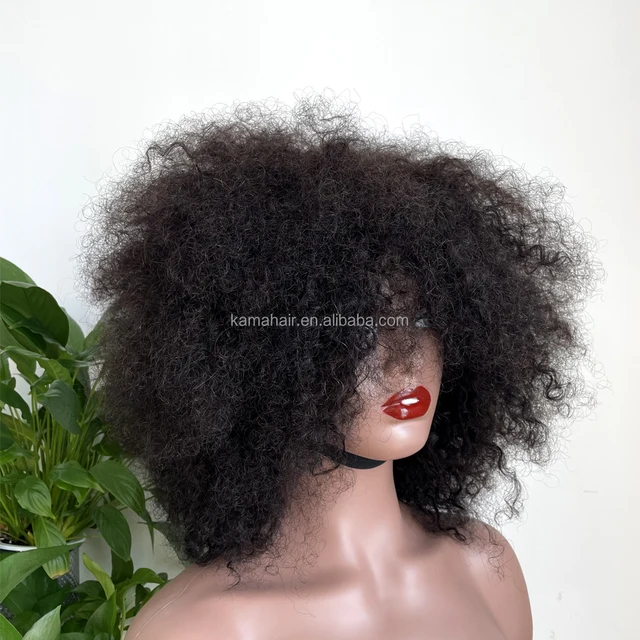
Clients often arrive asking for "200% density" because that is the number they have seen on social media. In practice, excessive density on a fine-haired client reads as a helmet, traps heat and places avoidable weight on the base.
1. What the Percentages Actually Mean
Density describes how much hair is ventilated or sewn into a given area of the base. 130% suits clients who want a natural everyday look or who are matching fine bio hair. 150% is the salon-standard middle ground. 200% and above is a stylistic choice for high-glamour volume and needs a reinforced base to carry the extra grams safely.
2. Density Cannot Be Judged Without Base Type
The same density reads differently across constructions: a silk top compresses hair into a tighter surface than full lace, so a 150% silk top can appear fuller than a 150% full lace unit. Always quote density alongside the base specification, never on its own.
3. Calibrating Before You Buy
For first-time buyers, running a trial unit in the client's target length and density is far cheaper than discovering the wrong density after a bespoke order is ventilated. Keep a short bob sample in 1B on the shelf as a density reference for in-salon consultations.