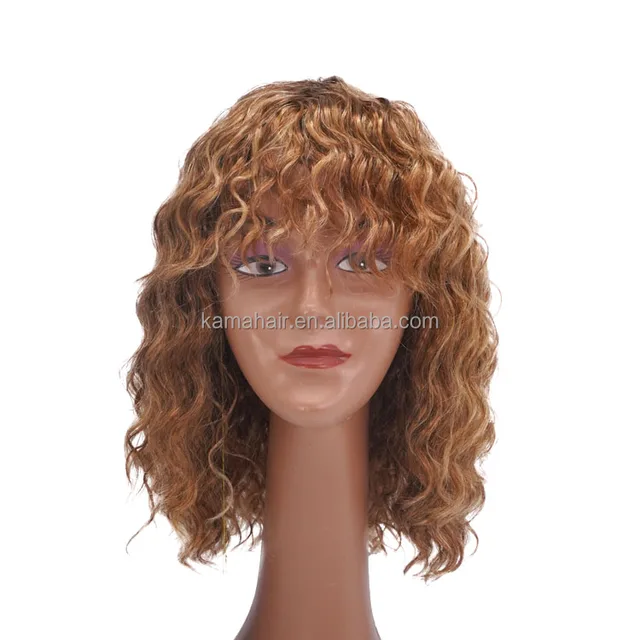
Most "medium cap" complaints are not a cap-size complaint — they are a missing measurement. A head is not a sphere, and circumference alone cannot tell a workshop where the tension is going to end up.
1. The Three Controlling Measurements
Record circumference around the widest part of the skull, ear-to-ear across the top of the head, and front hairline to nape. Those three numbers define length, width and depth. A client can sit at an average circumference and still need a bespoke ear-to-ear span, which is exactly the case where stock sizing fails.
2. Take the Map With the Hair Flat
Measurements taken over a braided or slicked-back style differ from measurements on bare scalp. For medical and alopecia clients, mark the front hairline where the client expects it, not where a template assumes it — a reconstructed hairline sits lower than a natural one on many clients, and that single centimetre decides whether the unit looks like hair or like a cap.
3. Record Pressure Points, Not Just Numbers
Note where the client reports pressure in a trial unit: temporal ridge, occipital bone, mastoid area or mastoid-to-nape channel. Those notes drive the choice of stretch banding width and where the elastic is let out. Every bespoke order that ships with a photographed specification sheet reduces the chance of a remake on the next order.