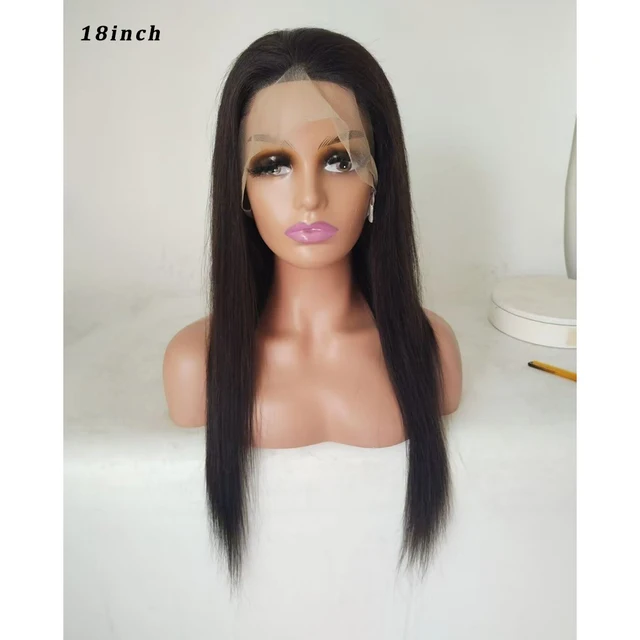
A salon that buys wigs by the case has one real protection against a bad batch: a documented inspection routine applied before the order is confirmed, not after the units are on the shelf.
1. Test the Sample Unit, Not the Photograph
Pull ten strands from the mid-length and run a wet comb test to check cuticle alignment — hair with mixed cuticle direction tangles immediately after washing, which tells you the batch was assembled from mixed sources. Then comb the unit firmly over a white cloth and count the shed: a quality wig sheds a few strands, a badly ventilated one sheds in patches.
2. Check the Base and the Lace Under Light
Hold the lace up against daylight and look for irregular mesh, glue residue along the hairline or knots sitting proud of the base. Run a finger along the perimeter seam — a hand-tied lace front should feel flat and flexible, not stiff.
3. Confirm Colour Consistency Across the Batch
Colour varies between dye lots. If the salon needs three identical natural brown units for a client roster, ask the vendor to confirm the batch is processed together. Natural, unprocessed shades are more consistent than lifted and toned colours.
4. Document What You Approved
Keep a signed sample on file with weight, length, density, cap dimensions and lace type recorded. That single sheet is what makes a replacement claim straightforward if a later shipment does not match.