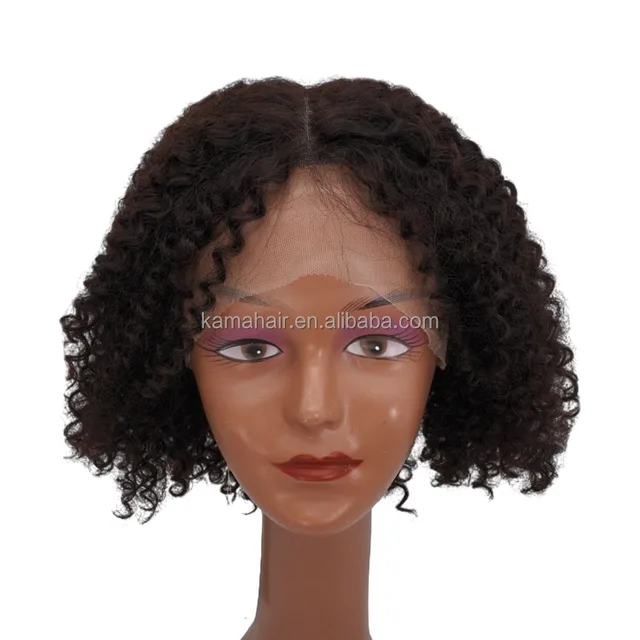
Selling the same unbranded unit as every other salon on the block means competing on price alone. A private-label line lets a salon put its own name on the label, set its own retail price and control the specification its clients receive.
1. Write the Specification Sheet First
Before any sampling, agree on paper: hair origin and grade, cap construction, lace type, density, cap sizes offered, colour range and knotting method. Ambiguity in the spec sheet is the most common reason a sample arrives looking different from what the buyer pictured.
2. Sample, Approve, Then Scale
Approve one physical sample unit in hand, not from photographs, before placing a production order. Confirm the lead time for that exact specification in writing — lace availability and colour processing are the two variables that move a delivery date.
3. Margin Planning and Order Tiers
Model the landed cost (unit price, freight, duties, packaging and labelling) against your intended retail price before committing to volume. Tiered ordering lowers the per-unit price as quantity rises, but it only improves margin if the densities and colours in that tier are the ones your clients actually buy.