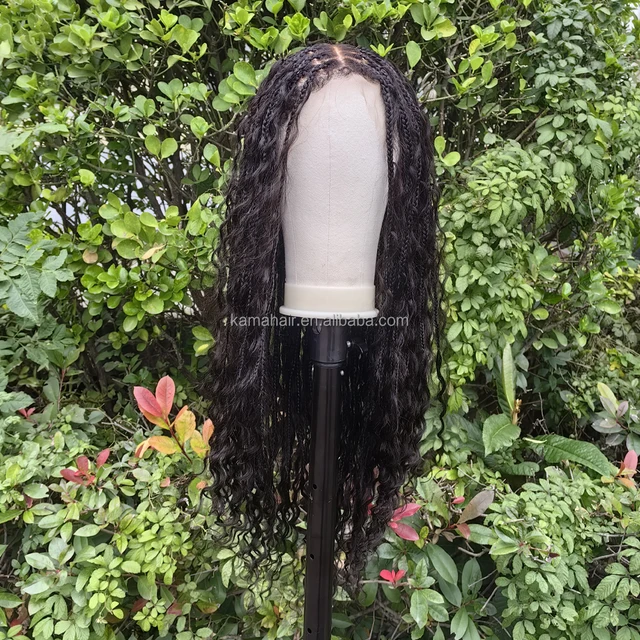
In the UK and across the EU, a cranial prosthesis order is a documented transaction before it is a styling appointment. The paperwork a clinic assembles at the fitting is what makes reimbursement, VAT treatment or charity funding straightforward weeks later.
1. The Core Documentation Set
Keep four items in the client file: the medical referral or prescription naming a cranial prosthesis, the measurement and specification sheet, the itemised invoice with the unit description, and the fitting notes with the date of supply. Where the client is claiming through a charity or a private health plan, the specification sheet is usually the document that decides the claim.
2. Describe the Unit in Purchasable Terms
An invoice line that reads "wig" invites questions; a line that reads "custom-made full lace cranial prosthesis, human hair, soft-band perimeter, 21.5 inch circumference" answers them. Record base type, hair origin, knotting method, density, cap dimensions and colour reference — the same fields the workshop worked from.
3. VAT and Relief Schemes Differ by Jurisdiction
VAT treatment for prostheses and mobility or medical aids varies between the UK, individual EU member states and private insurers, and it can change. Confirm the current local rule with the clinic's own adviser before quoting a tax treatment to a client — the safe operational habit is to invoice the goods and the fitting service as separate lines so any relief can be applied correctly on the invoice the clinic issues.
4. Keep a Reproducible Record
Photograph the specification sheet, log the unit weight and the perimeter measurement, and file the client's preferred density and colour. A second unit for the same client — the most common repeat medical order — can then be ventilated to the same numbers without a repeat consultation.