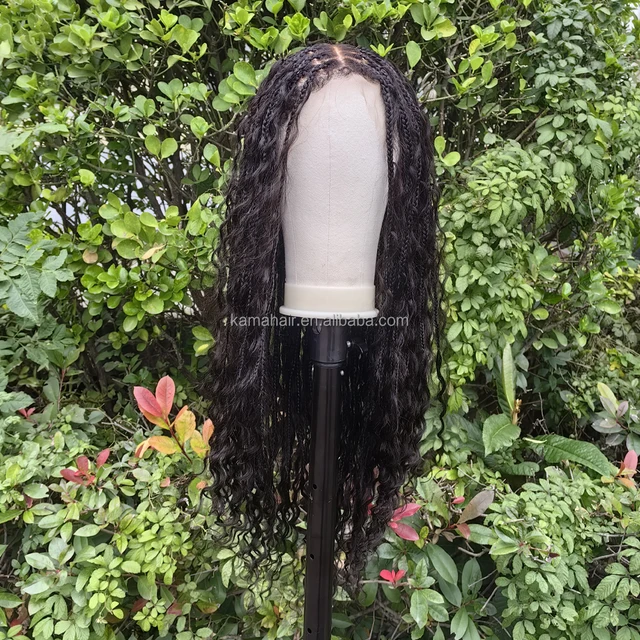
A cranial prosthesis for a client undergoing chemotherapy or living with alopecia areata is a medical device before it is a fashion product. Pressure points, heat retention and perimeter friction decide whether the unit is worn daily or abandoned in a drawer.
1. Soft-Band Perimeters and Pressure Mapping
Rigid wefted caps concentrate tension on the temporal ridge and occipital bone. Clinical prostheses are instead built on 1-inch soft stretch banding so that load is distributed across the widest part of the skull, with a 6-point head map taken at the consultation rather than a generic small/medium/large guess.
For clients with scalp sensitivity, we recommend a full lace or fine mono base with a seamless lace-front hairline, avoiding any hard PU strip that can rub against irradiated skin.
2. Weight, Breathability and Daily Wear Comfort
Total unit weight should stay as low as the density target allows. A 130% density with careful ventilation reads as natural on a bald scalp while keeping grams off the crown, and a Swiss or French lace top allows heat to escape during hot flushes.
3. Documentation for Clinic Procurement
Clinics that issue prostheses to patients need a specification sheet that states base type, hair origin, knotting method and cap dimensions in writing, so the fitting notes and the purchase record match line for line. KAMA Wigs supplies spec sheets with bulk clinic orders.