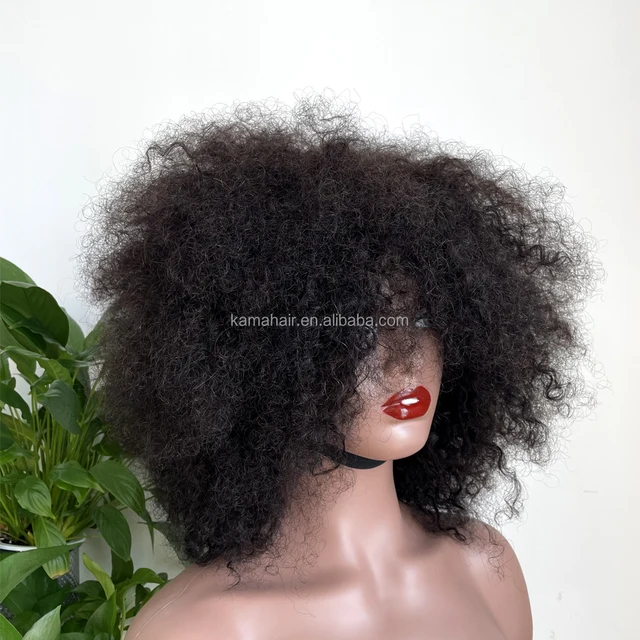
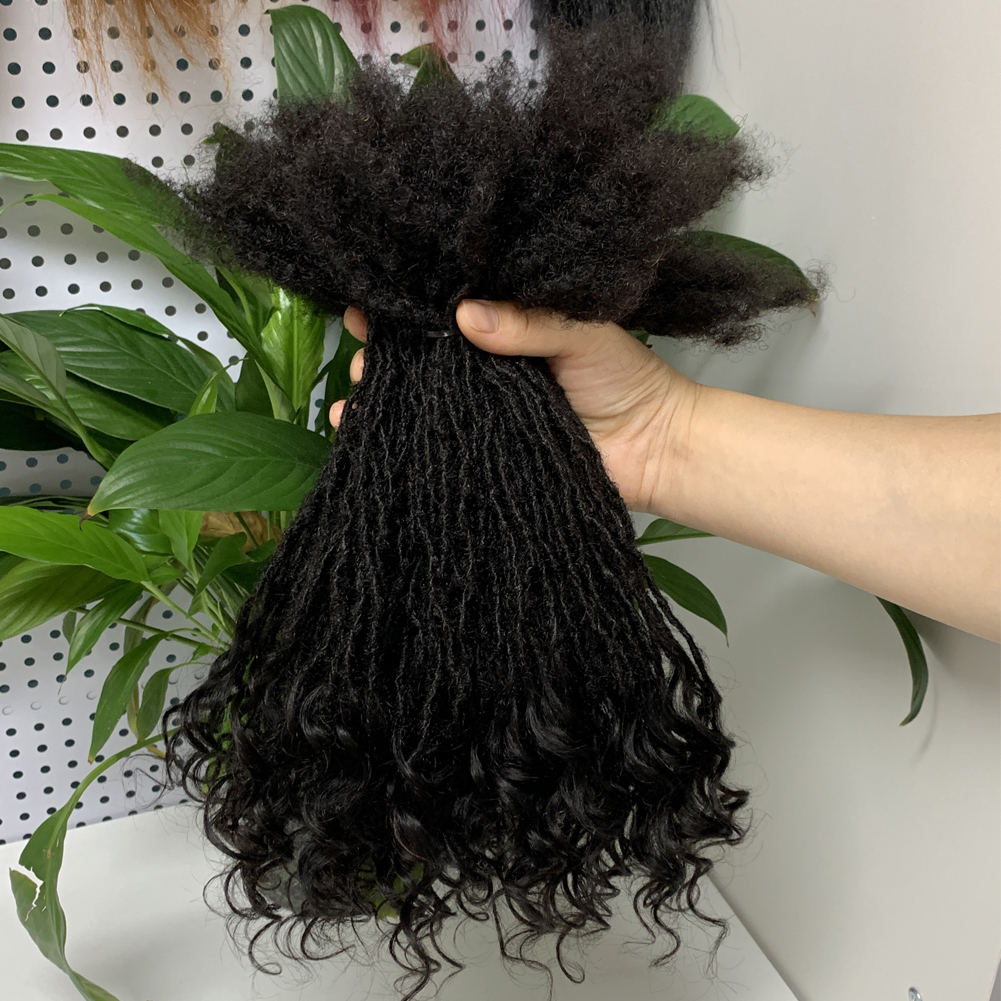
A unit that behaves in a dry climate can become unmanageable within a week in a coastal city. Humidity does not damage hair directly — it swells the cortex, lifts the cuticle and reveals every bit of mechanical damage the fibre has already accumulated.
1. Reduce Wash Frequency, Increase Rinsing
In humid climates, shampooing every few days strips the cuticle and leaves hair more porous, which is exactly the condition that frizzes. Wash every 10–14 days with a sulfate-free shampoo, but rinse with cool water after heavy sweat or salt exposure — rinsing removes residue without another full surfactant cycle.
2. Layer, Do Not Overload
Apply a light leave-in to damp hair, then a silicone-free serum only to the mid-lengths and ends. Heavy oils applied at the root in humid weather migrate down the strand, weigh the crown flat and attract dust. For curly and kinky textures, a defining cream applied in sections and left to air dry on the block gives better definition than any product applied to dry hair.
3. Dry on a Block, Never in Direct Sun
Air drying off a block preserves the cap geometry; drying flat on a towel distorts the lace and stretches the nape. Direct tropical sun fades colour within a season, so dry indoors or in shade with airflow, and store the unit on a block or in a satin bag rather than folded in a drawer.