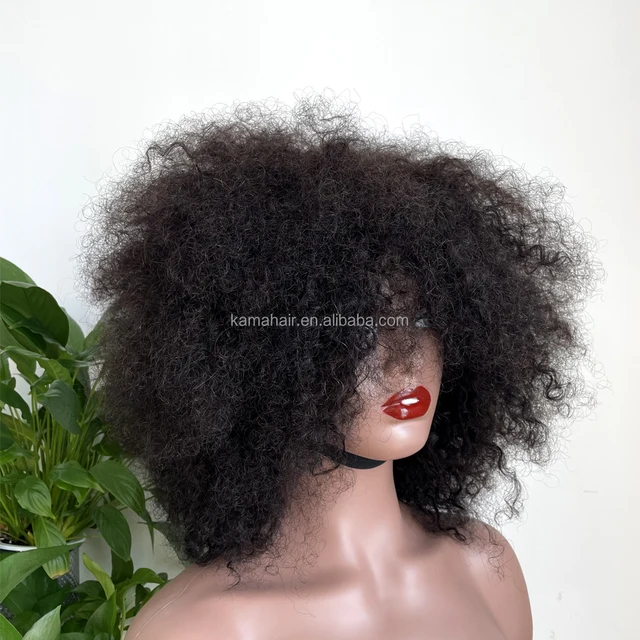
Heat damage rarely happens in one pass. It accumulates as a stylist works up the length with the same iron setting they would use on a client's own hair, and it shows up weeks later as dry ends and a widening curl pattern.
1. Remy Hair With Intact Cuticles
Hair with aligned, intact cuticles tolerates controlled heat far better than a demineralised or acid-washed fibre. Work in small sections, keep contact time short, and always pass a heat protectant before the iron touches the hair — the protectant matters more than two or three degrees of iron temperature.
2. Non-Remy and Heavily Processed Hair
Hair that has been stripped and recoated loses the cuticle layer that would normally insulate the cortex. It will straighten quickly and then refuse to hold a curl, which is the visible signal that the fibre is already at its limit. On a unit like this, step the iron down noticeably and lean on steam and roller setting instead of direct heat.
3. Run a Strand Test Before the First Full Pass
Take one hidden strand near the nape, apply heat for the normal contact time, then release it and check for a crisp feel or a burnt smell. If the strand goes brittle, stop and reset the temperature for the whole unit. This single test protects a client's unit and the salon's replacement exposure.